Latest

VAD ÄR NOSE WORK?
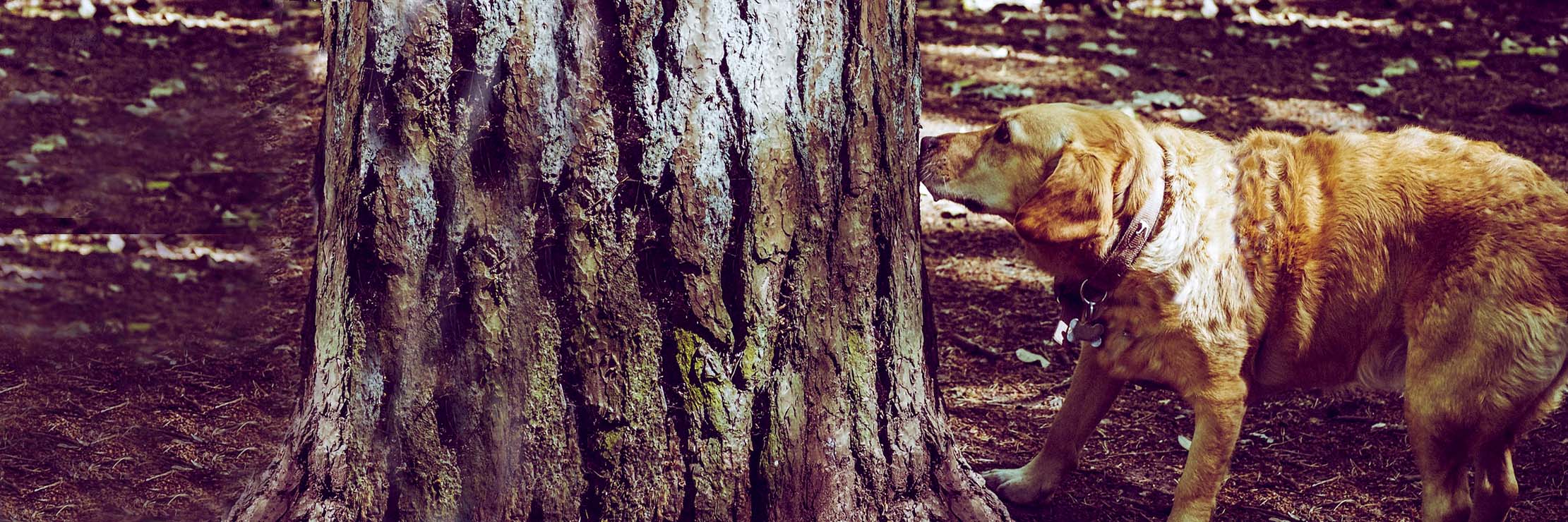
Dogs have a fantastic nose and a superb sense of smell. A dog can feel a lot of different smells that we humans are nowhere near feeling. This is probably also why dogs are used to find chanterelles, drugs, corpses, explosives and humans. The question is whether there is a limit to what a dog can smell and learn to mark?
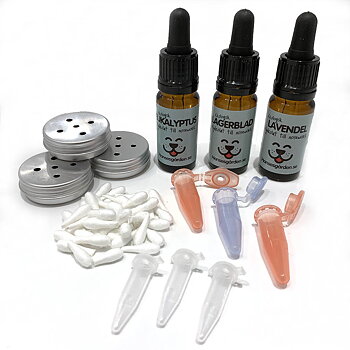
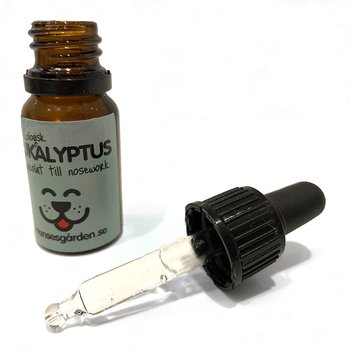
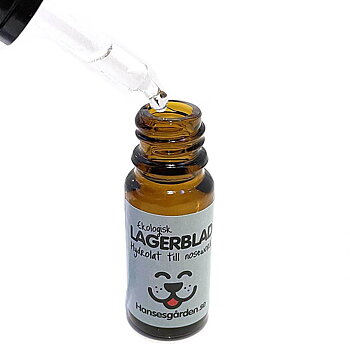
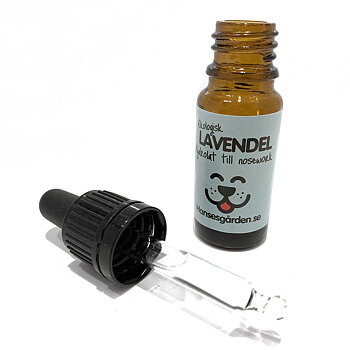
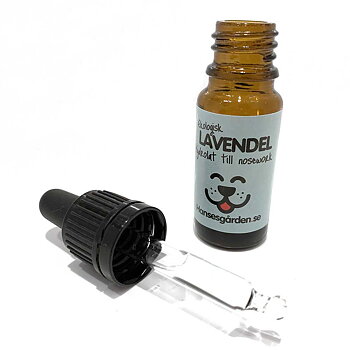
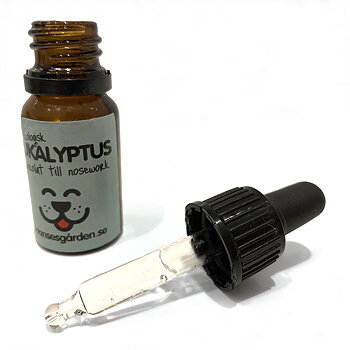
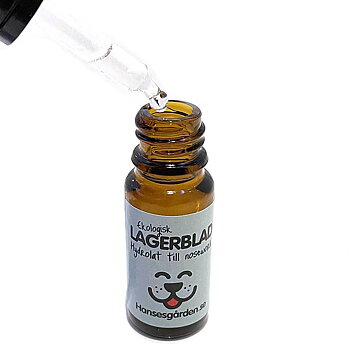
Nosework is a fast growing dog sport in Sweden. A big part of it is probably that it is so easy to practice, you do not need much equipment and you can train almost anywhere. Nose work, is just as the name suggests work with the nose, and in Sweden the sport means that the dog must recognize and mark three different scents. The scents are eucalyptus, bay leaf and lavender. The dog must be able to find the scents both indoors and outdoors.
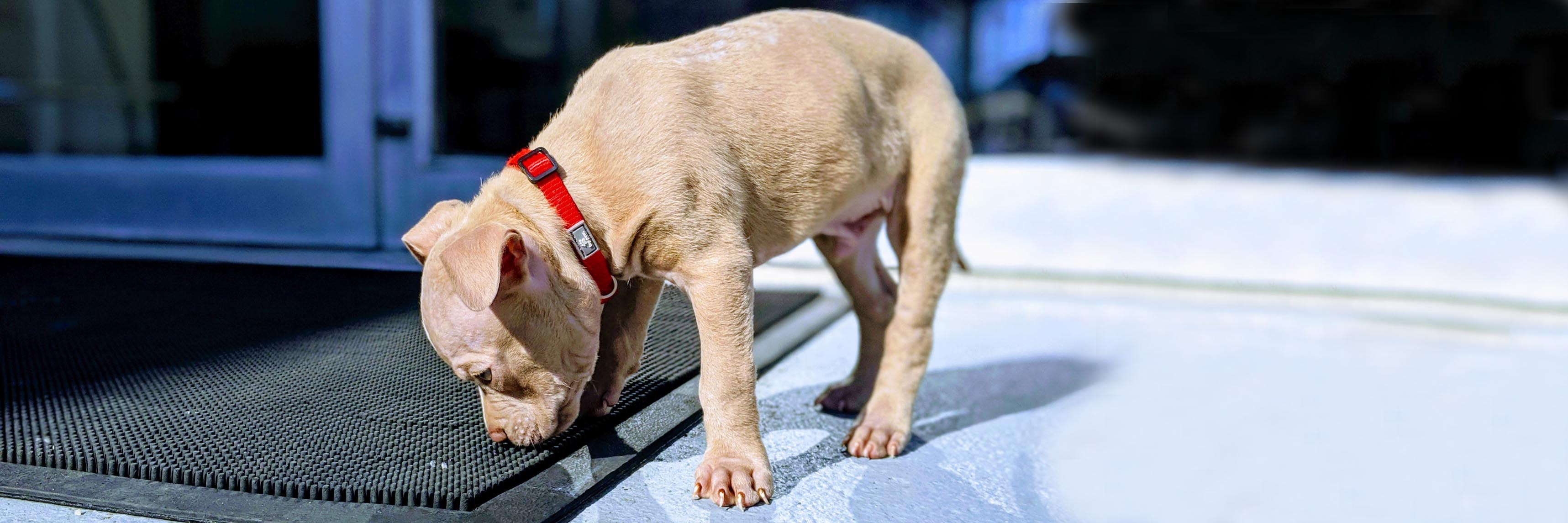
PRACTICE FOR ALL SORTS OF DOGS
Both large and small dogs, young and old and even puppies can train nosework. Just add the level of ambition and difficulty depending on what kind of dog you have. An old dog that is stiff in the body may not need to search in difficult terrain and for a puppy you can do a little easier and shorter exercises.
By allowing the dog to work with his nose, not only is the doggy satisfied by being allowed to work with something that is natural. It is also a great way to strengthen the cooperation and relationship between you and your dog. Nose work is a smart way to make the dog feel good both physically and mentally.
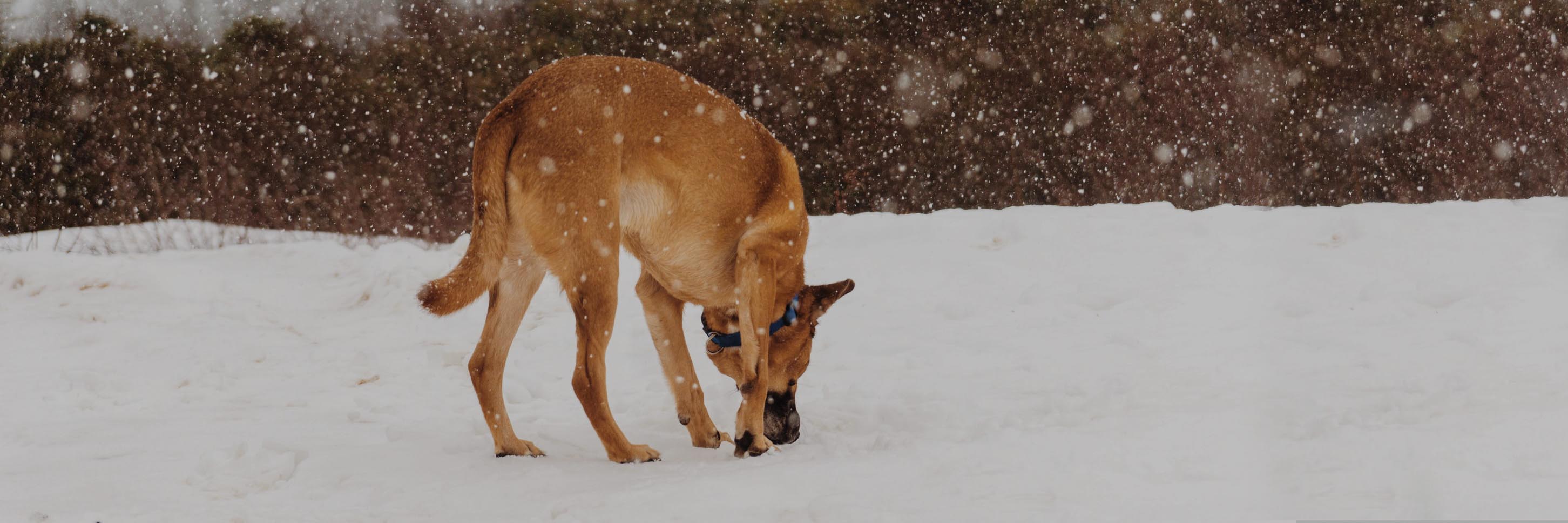
NOSE WORK AND SPECIAL SEARCH
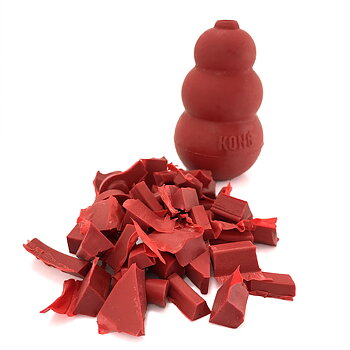
In addition to the three different types of hydrolate that are part of the Nosework competition sport, there is also another type of search work that your dog may find at least as fun - searching for Kong. So it is small pieces of the classic red dog toy Kong that the dog is trained to find and mark.
Since nosework is not obedience-focused, but it is more about the dog's independence, the form of training is also suitable for you who want a fun way to activate your dog without having to keep an eye on obedience. Even though nosework is a competition branch, it is at least as good to skip the competition part and instead just train to do something fun with the dog. To be honest - compete and get merits it is probably mostly something for our human ego, there are not very many dogs who care about it.
NOSEWORK FOR BEGINNERS
One way to get started with nosework is to take a course. And when it comes to nosework, it is almost preferable, partly so that you get good tips on how to teach the dog to find the scent, but above all so that you do not always know where the hide is and (un) consciously leads the dog to the right hold. Because that is probably the very essence of nosework training - to trust the dog and have faith that the dog's nose work leads you right. Of course, as a beginner it is possible to practice nosework at home as well, perhaps the combination of course and self-training is the best?
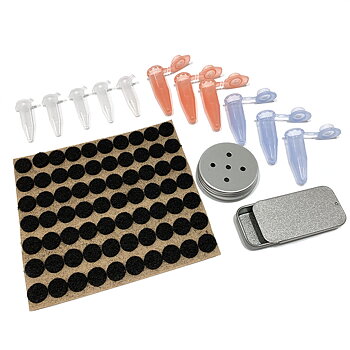
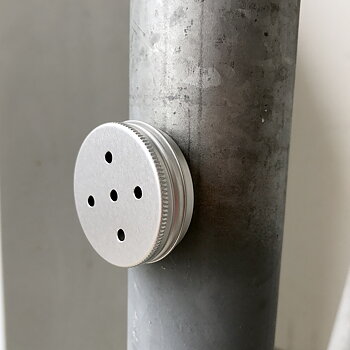
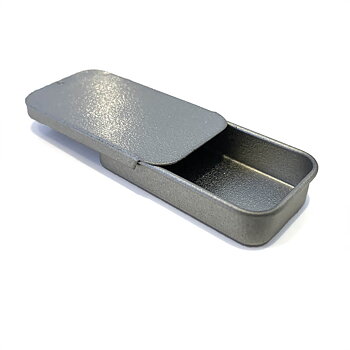
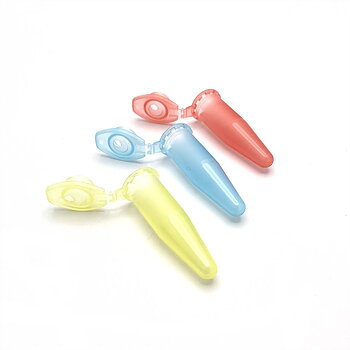
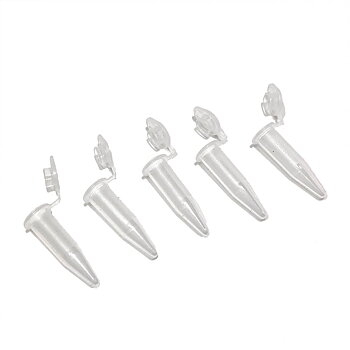
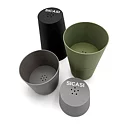
The first hydrolate taught is the eucalyptus scent. Drop a little into a container that you then hide from the dog. As the dog's nosework training progresses, you will have to do more and more difficult exercises, hide the container or other scent carrier in a vehicle, hide at different heights or just change the environment. You can also use a selection path to have several identical containers where the scent is only in one of the jars.

FUN TRAINING WITH YOUR DOG
Nosework is an incredibly fun way to train and a great way to activate your dog. But above all, it is a rewarding way to improve the communication between you and your doggy, which will develop your common dog life in general. So whether you intend to compete or not, try letting the dog work with his nose!