Latest
CUTTING THE DOG'S CLAWS
Just as we humans have nails that grow, so do the dog's claws. So how do you cut dog claws? How long should the dog's claws be? And how often do you need to cut a dog's claws?
Should the dog stand, sit or lie down when you cut the claws? You choose that together. Try it out, to see what suits the two of you best. Choose a place where the dog feels safe and choose a time when you are not stressed. Make the clipping a calm routine where you clip regularly, perhaps once a week.
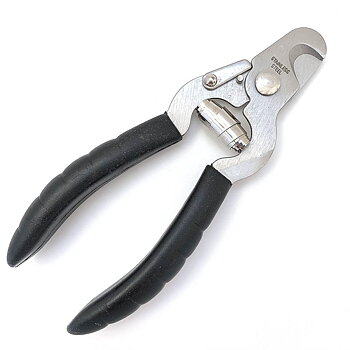
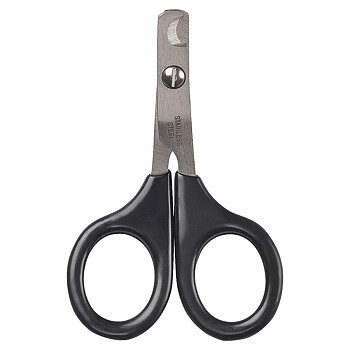
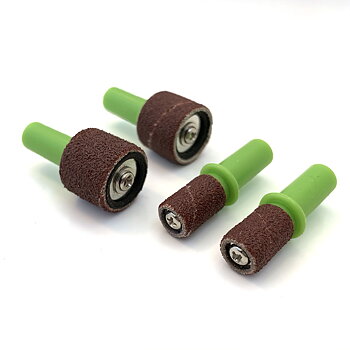
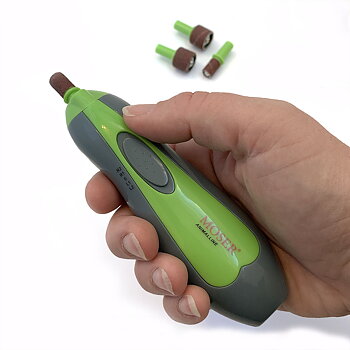
Whether you choose claw clippers or pliers, there are a few things to keep in mind. Choose one that is large enough for your dog. Make sure it's really sharp, so it cuts the claw and doesn't crush it. There are also electric claw files that file down the claws instead of cutting. Choose what suits you and the doggy.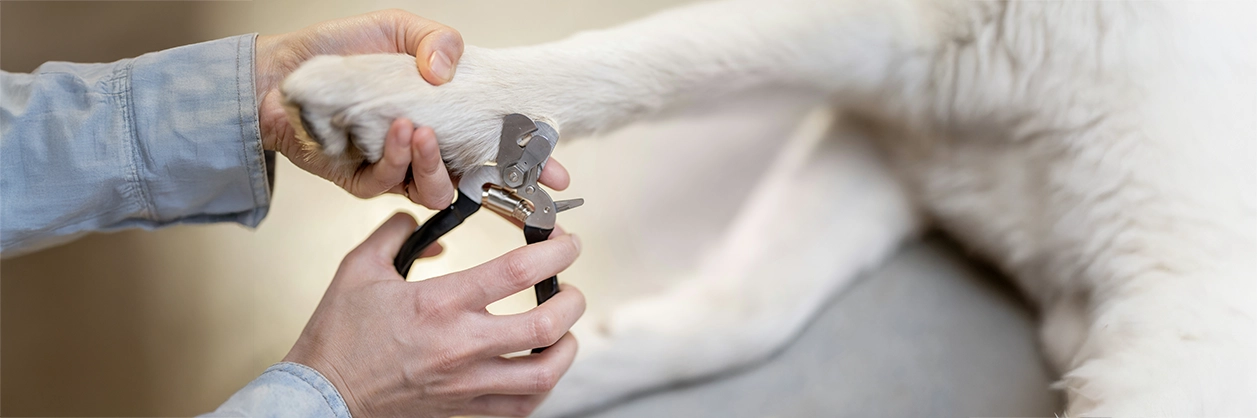
OW, IT'S BLEEDING!
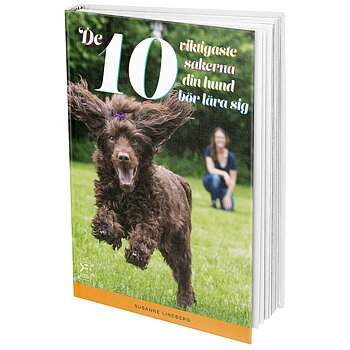
It is easy to cut too far and hit the dog's pulp. If that happens, the claw will begin to bleed. Don't make a big deal out of it. Don't feel sorry for the dog and don't stress yourself out. Wipe with paper or apply some blood-stopping powder. This is what Susanne Lindberg at Rackarungar's dog school writes in her book:
"For some dogs, it hurts if you cut the pulp. Sometimes. Sometimes not. But the pain they may feel is not so great that it will slow you down with such a huge fear of doing wrong. Shit happens, right.”
To reduce the risk of hitting the dog's pulp, a trick can be to cut a little bit at a time instead of cutting a large piece right away. First cut a piece from the front, then every second right and left side. In this way, you can more easily see when you are approaching the pulp. You can also feel for it with your fingernail, because the pulp is softer than the claw. When it starts to get soft, stop cutting.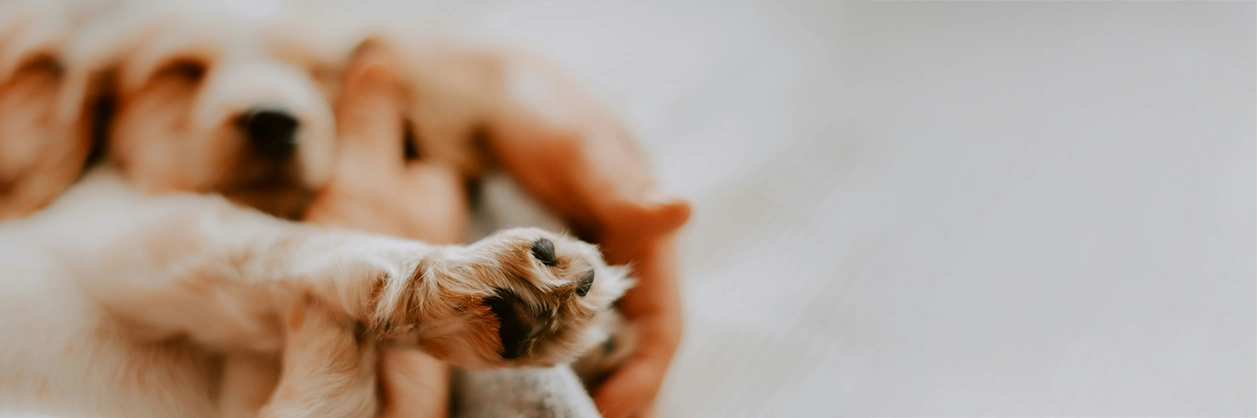
SIMPLE AND USEFUL TIPS
- Pratice to touch your dog. Teach the dog that it is okay that you touch the paws, that you look in the mouth, smell in the ears. This is worth its weight in gold in many different aspects of a dog's life. Make this in to a fun and cozy moment and try to get the dog to appreciate the situation. When you train this, you don't even need to get out the claw clippers. It's just about being able to hold the dog and look at different body parts.
- Start practicing claw trimming early in the dog's life. In this way, you can make the haircut a natural feature. Start already when you get the little puppy home, cut a claw and reward abundantly.
- If the dog is uncomfortable with the claw clipping, a tip might be to only clip a few claws at a time and then wait a few days. In this way, the procedure will be shorter, while at the same time you will get many training opportunities.
- Claw scissors and pliers become dull over time. You may not notice much of a difference, but the dog probably does. A dull pair of pliers can cut and pinch the claw, which is not very nice. Therefore, change claw tongs perhaps once a year.
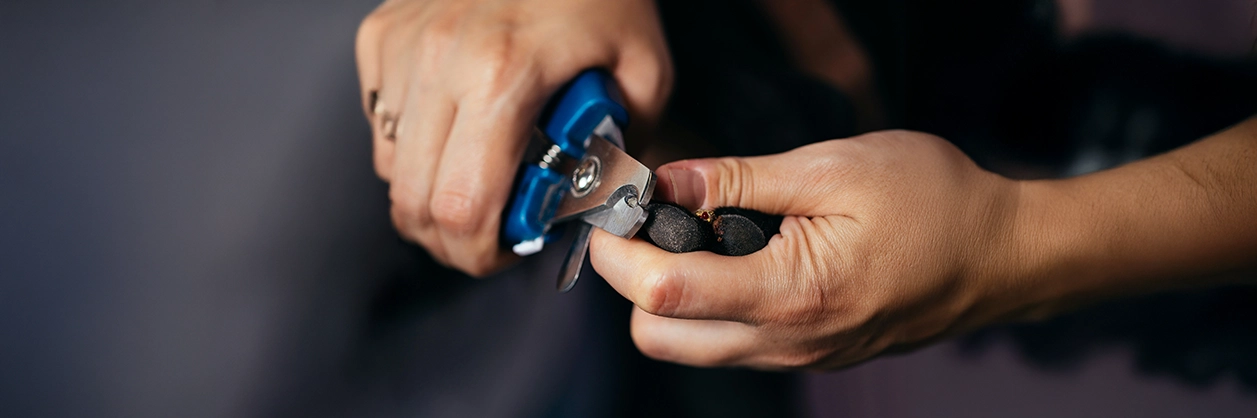
STEP BY STEP GUIDE TO NAIL CUTTING
- Use sharp claw scissors or pliers that are adapted to the size of the doggy.
- Make sure to have good lighting. A headlamp is not entirely wrong.
- Cut the claws when the dog is calm and safe, and you are not stressed.
- Hold the paw so you can see the claws.
- Cut a small piece at a time. Rather do several small haircuts, than one big one.
- Reward the dog often. Preferably unreasonably much and unreasonably good.
Don't forget the spurs that sit up on the dog's front legs (and sometimes also on the back legs). These claws do not wear down automatically but must be helped to become shorter.
And you. If it feels impossible to get a claw cut because the dog becomes hysterical or pulls its paws. Get help. Some things just aren't worth stressing over. Contact your vet or alternatively if there is a dog groomer nearby.