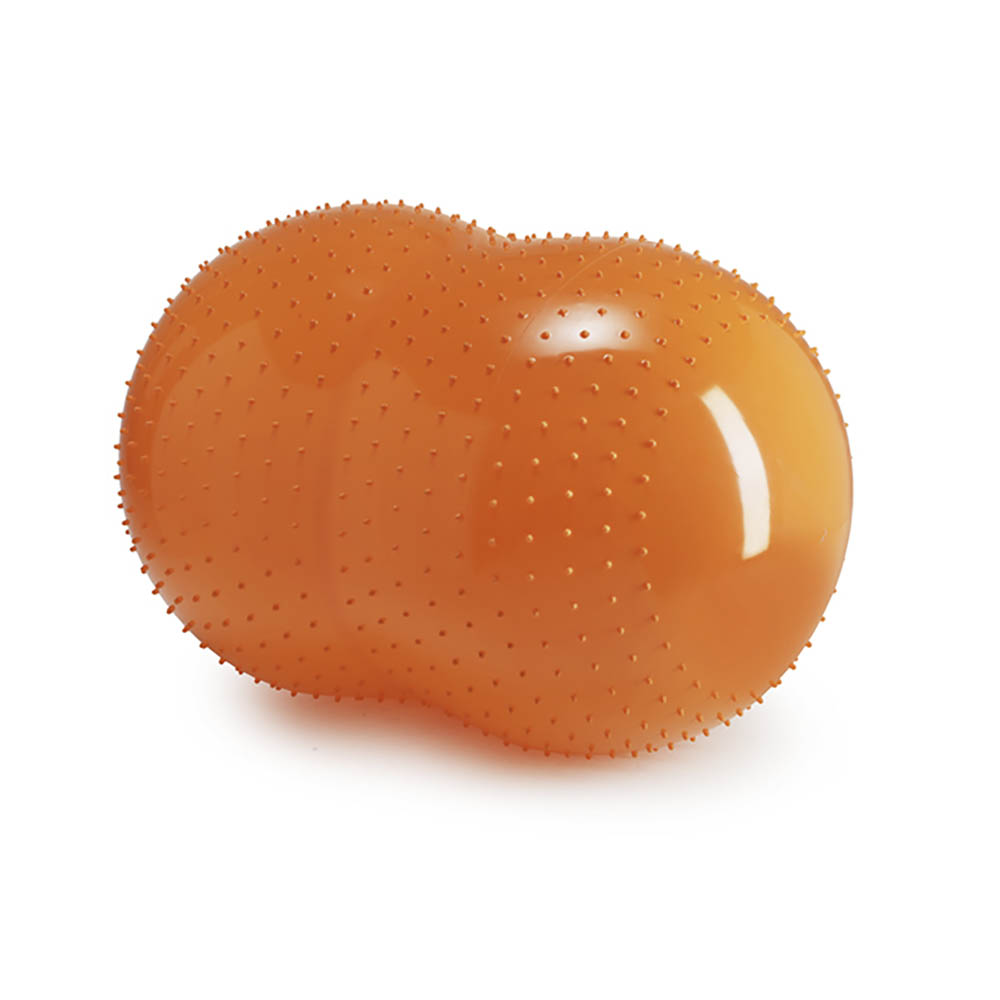
PEANUT SHAPED BALANCE BALL WITH SPIKES
- Balance ball training the dog or yourself
- Length 80 cm and height 50 cm
- Pump not included
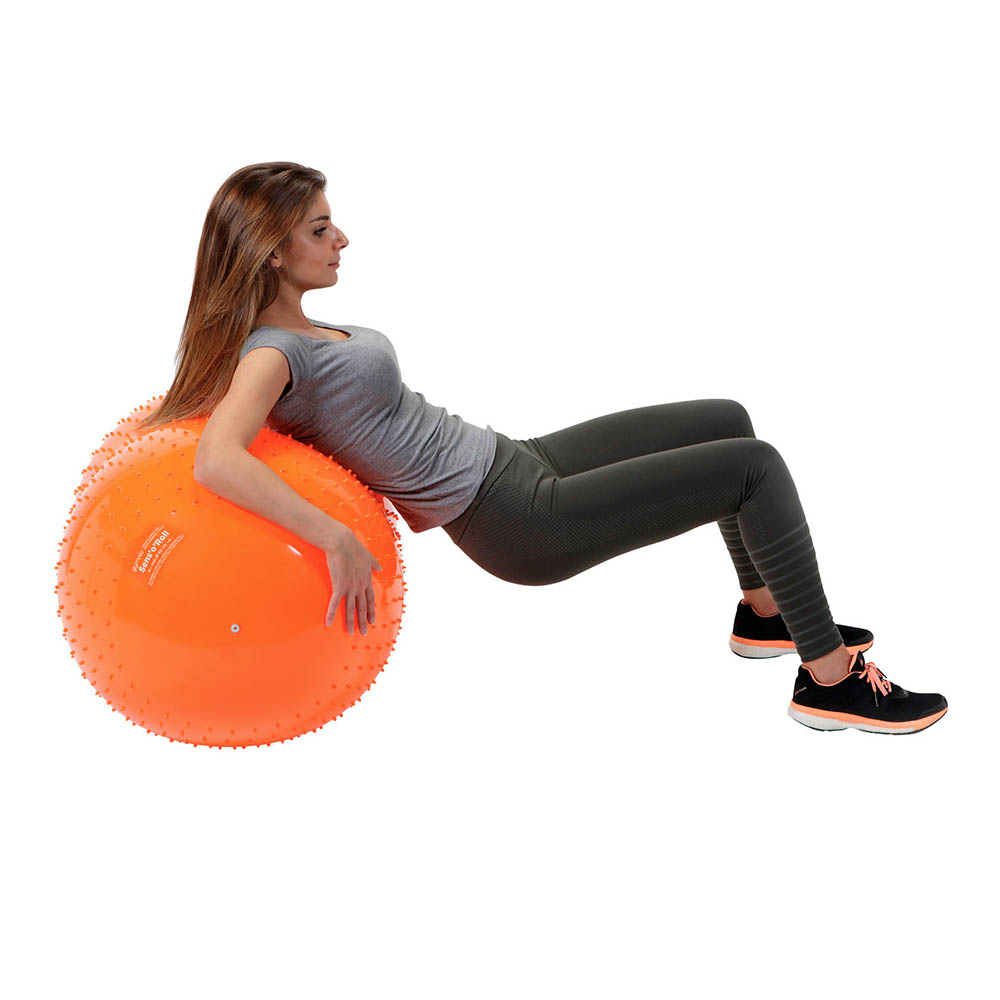
Some call this balance ball a double ball, others a peanut and a third says Sensoboll. Regardless, it is an air-filled oblong ball that is just as suitable for dog training as human training.
Training the dog on a balance ball is a versatile exercise where you can activate the dog's entire body. Let the dog stand, sit or lie on the ball or why not train with just two paws on the ball. Maybe have the front paws on the peanut ball and have the hind legs on the floor or on a low counter and let the doggy do puppy squats. Super busy and super useful! Or why not let the dog stand on the ball and then lie down and then go back to standing. Also super useful exercise! There are many different exercises that the doggy can do on a duo ball.
Because the ball is oblong, your dog can fit more easily and you get closer compared to a classic Pilates ball. Because when it comes to balance ball training, it is important that the dog has a place without having to bend his back and it is also important that you can get close enough to be able to hold the ball so that it cannot roll away and the dog falls off.
The sensor ball has soft spikes, which partly provides extra stimulation in the paws and footpads and partly provides a better grip.
The ball is 80 cm long and to know if it is the right size for your dog, you need to measure the distance between the doggy's front and back paws when it is standing on the floor. If the distance is less than 45 cm then this size of ball should fit well.
Pump is purchased separately
here.
COLOR AND SIZE
Length 80 cm and height 50 cm.
Colour: orange.
HANSESGÅRDEN TIPS
It's much tougher to train balance balls, but many muscles have to work very hard. So even though the exercise looks simple, it requires a lot of both body and bud. So our tip is therefore to keep the training short.
If you have an injured dog that needs rehab training, we recommend that the training takes place in consultation with a dog physiotherapist or other medically knowledgeable staff.