SMALL HALF BALLS WITH DUMPS
- Two small paw pods
- Good for the dog's wrists and toes
- With spikes to activate the nervous system in the paws
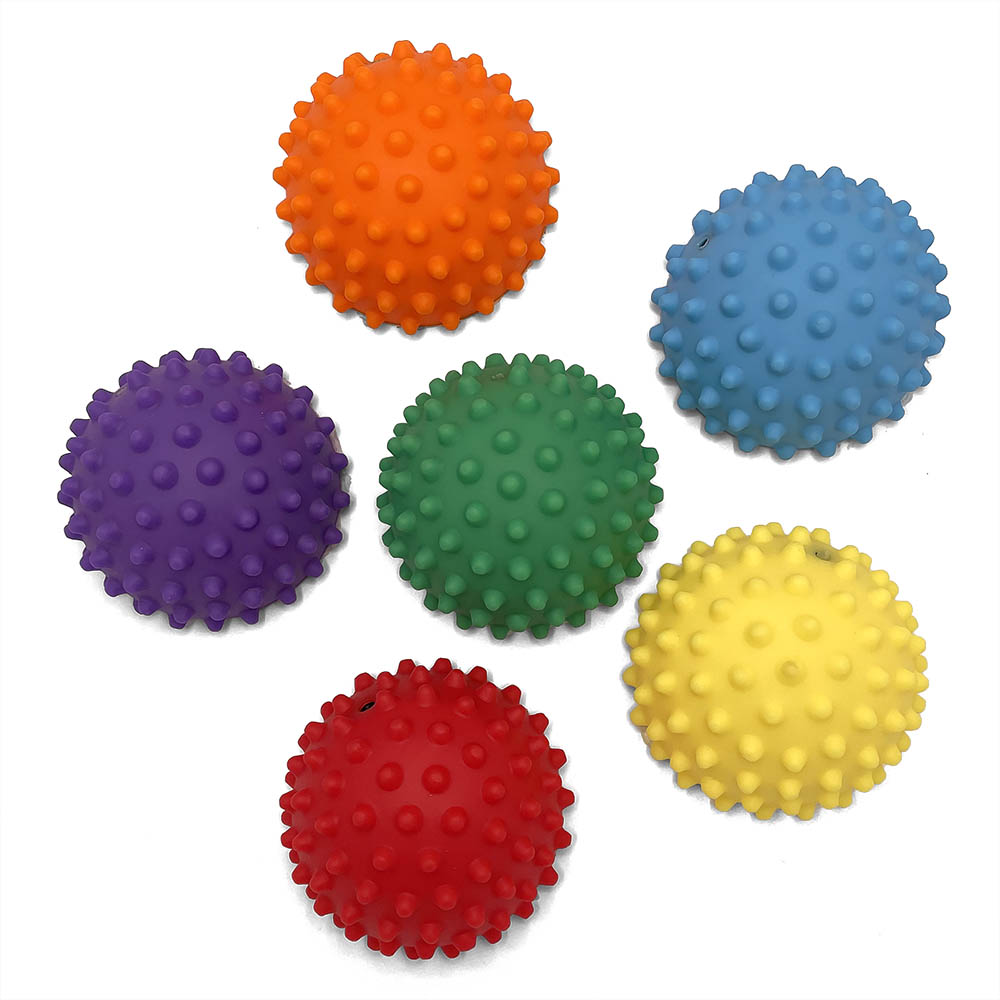
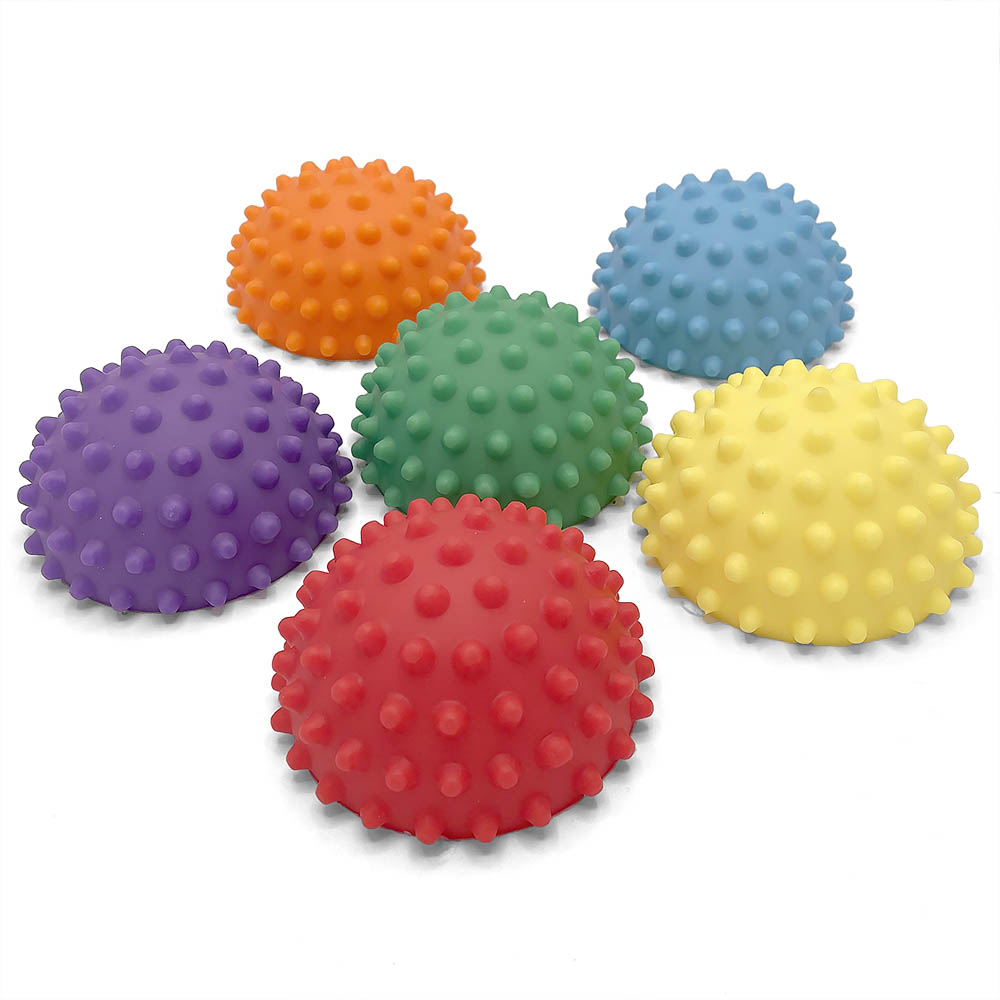
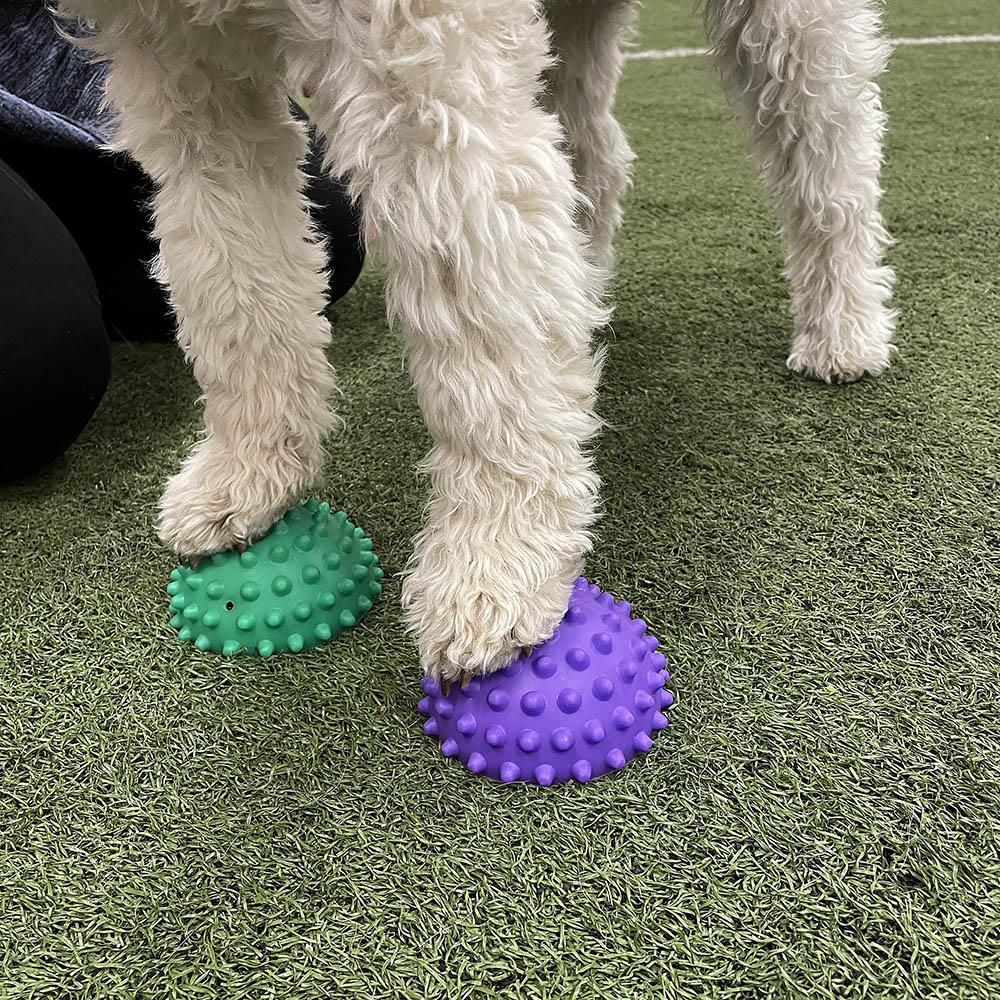
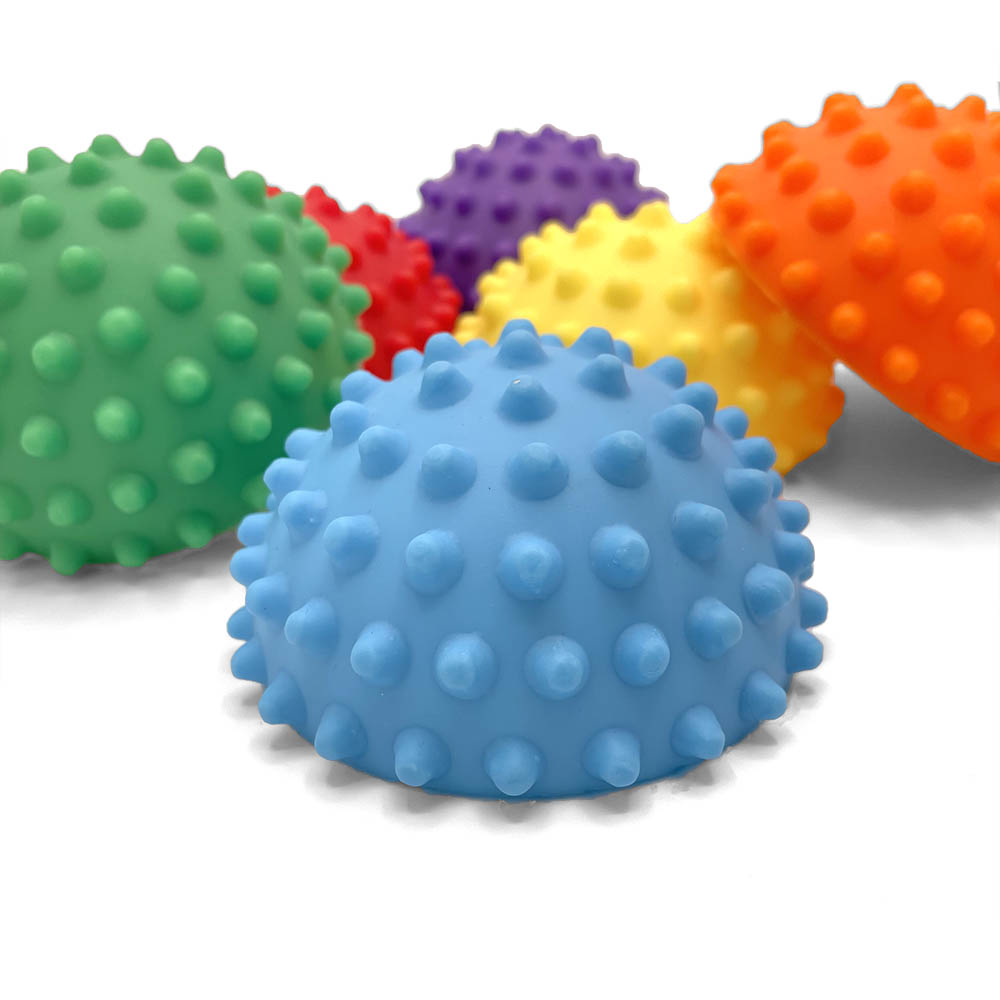
Here are our smallest half balls, which are best suited for small dogs but can also be used by doggies with larger paws. Great to have for the dog's balance ball training when you want to strengthen the dog's toes or wrists. The fact that the half ball is small means that the dog also has to work on grasping his toes around the ball so as not to fall off. The small rounded dumps affect the nervous system, which makes the doggy more aware of its paws.
Training your dog with a balance ball is something that suits most dogs, regardless of age and size, it is just a matter of adapting the exercises and the length of training to the individual. By letting the dog train balance ball, balance, body control, coordination and strength are trained. In addition, the form of training improves the cooperation between you and your dog. And it's so easy to do at home, in your Livingroom.
By asking the dog to do a toe lift and lean forward, both the ligaments and the tendons under the toes are trained. The paw pods can also be combined with other types of balance balls to give the dog even more challenge. Why not line up the doggy with two paws on the half balls and two paws on a disc?
This is a form of training that works well as rehab training or to strengthen a certain body part, but it is at least as good as a fitness training to make your dog hold even better and even longer.
The tactile foot pads are sold in 2-packs and come in asorted colors. This means that you do not know which two colors will be on your particular order. Pump not included.
SIZE AND COLOR
Size: 9 cm in diameter and about 5 cm high.
Available in red, green, blue, yellow, orange and purple. We choose colors.
HANSESGÅRDEN TIPS
As fun as it is to train the dog with balance balls, it is just as hard. That is why it is important that you keep your workouts really short, just a few minutes are enough.
When rehab training an injured dog, we recommend that the dog is trained in consultation with a veterinarian or dog physiotherapist.